Diurnal dynamics of maize gene expression is associated with phyllosphere microbiome composition.
Abstract
Bacterial communities play important roles in the plant phyllosphere. Both microbial communities and their hosts exhibit endogenous circadian rhythms while simultaneously responding to environmental changes across the diurnal cycle. However, the interaction between the host and microbiome is still poorly understood. Here, we exploit paired sequencing data of host transcriptome and microbiome derived from diverse maize genotypes in field conditions and under two contrasting diurnal periods. Expression patterns of known maize circadian clock genes were consistent with the expected sampling phases. Groups of co-expressed genes that responded to diurnal periods were associated with nucleic acid-binding, heat stress responses, and photosynthesis. Microbiome analysis revealed only modest differences in alpha diversity between midday and midnight samples. However, beta diversity indicated a significant shift in community composition. Co-occurrence network analysis identified keystone taxa specific to each time point, suggesting time-dependent ecological roles within the phyllosphere microbiome. Cross-correlation analyses between host gene expression and bacterial taxon abundance revealed a greater number of host-microbe associations during the night. Several canonical circadian clock genes significantly correlated with microbial taxa. Our findings provide initial evidence for diurnal associations between host gene expression and leaf-associated bacteriome, suggesting that maize diurnal transcriptional dynamics, including the activity of circadian clock genes, may contribute to shaping the composition and functional potential of the phyllosphere microbiome.
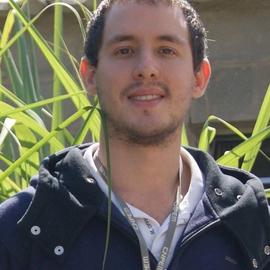
Renato Augusto Correa dos Santos
Postdoct Gene regulatory networks in grasses
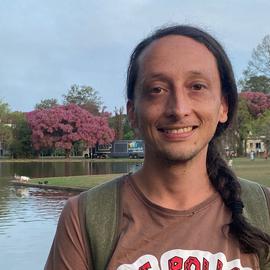
Jorge Mario Muñoz Pérez
PhD student - PPG - Ciências CENA/USP - Sugarcane Co-expression networks
I got my PhD from PPG - Ciências at the Center for Nuclear Energy in Agriculture, University of São Paulo in Feb 2025. I am interested in the intersection of Plant Biology, Programing and Mathemathics. I have worked in Plant Biotechnology, Population Genomics, Machine Learning applied to the discovery of anti-microbial peptides. Currenlty i turned into Sugarcane omics, focusing on genomic resources and gene Co-expression network analysis.
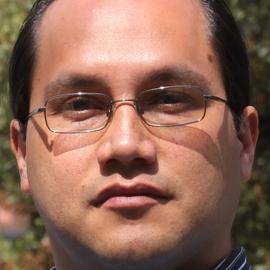
Diego Mauricio Riaño-Pachón
Assistant Professor (MS3.2) in Computational, Evolutionary and Sistems Biology
I am a computational biologist/bioinformatician at the University of São Paulo, Campus Luiz de Queiroz (Piracicaba/SP, Brazil).